Fado houseGoogle Maps
27 November · Fado, Intangible Cultural Heritage of Humanity since 2011
Fado lives in the fado houses
A guide to the fado houses of Portugal. The places where fado is heard live, at night and at the table, from Lisbon to Ponta Delgada.
- 49fado houses
- 5towns and cities
- 4regions
Map of the fado houses
49 housesLisbon 40
Fado vadioFacebook
Fado houseOfficial site
Fado houseOfficial site
Fado nightsGoogle Maps
Fado nightsOfficial site
Fado houseOfficial site
Fado nightsOfficial site
Fado nightsOfficial site
Fado houseOfficial site
Fado houseOfficial site
Fado houseOfficial site
Fado houseOfficial site
Fado houseGoogle Maps
Fado nightsOfficial site
Fado houseOfficial site
Fado houseOfficial site
Fado houseOfficial site
Fado houseOfficial site
Fado vadioOfficial site
Fado houseOfficial site
Fado houseGoogle Maps
Fado houseOfficial site
Fado houseOfficial site
Fado houseOfficial site
Fado houseOfficial site
Fado houseGoogle Maps
Fado houseOfficial site
Fado houseOfficial site
Fado houseOfficial site
Fado houseOfficial site
Fado nightsInstagram
Fado houseOfficial site
Fado houseOfficial site
Fado houseOfficial site
Fado vadioGoogle Maps
Fado vadioFacebook
Fado vadioInstagram
Fado houseOfficial site
Fado houseGoogle Maps
Porto and the North 6
Fado houseOfficial site
Fado houseOfficial site
Fado houseOfficial site
Fado houseOfficial site
Fado houseOfficial site
Fado houseOfficial site
Azores 1
Fado nightsGoogle Maps
No houses match this search.
Fado is heard at night, when the room falls silent to listen to the singers.
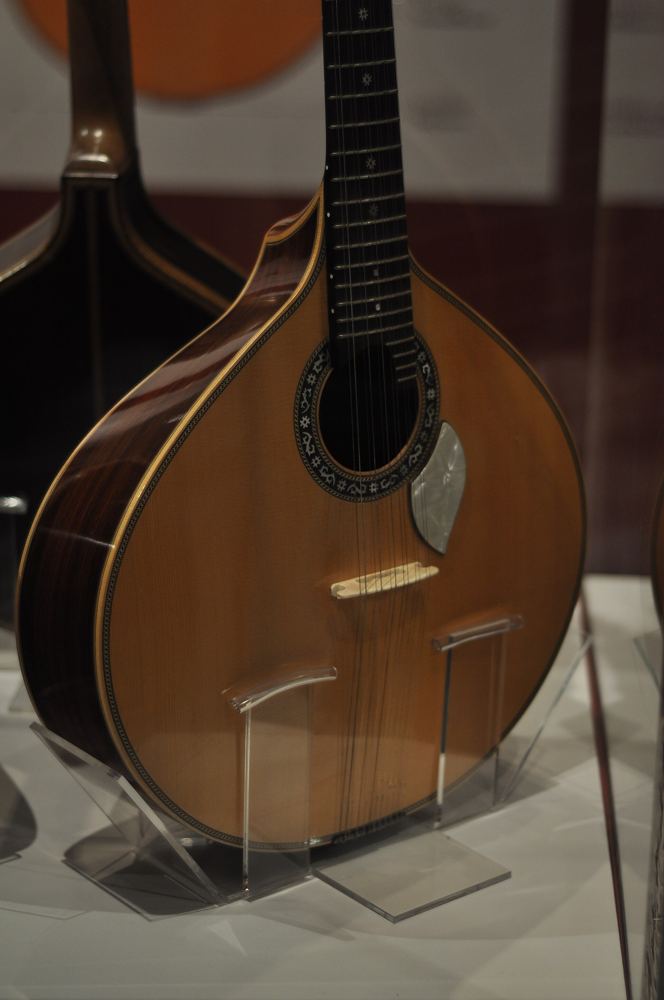
It is heard at the table, between dinner and conversation, with the Portuguese guitar and the viola close by.
And it is in the fado houses that the older generation passes this tradition on to the younger one, night after night.
We brought the fado houses of Portugal together in this guide, so that anyone looking for fado knows where to find it as it has always been lived. From Fado ao Carmo, to every house that keeps it alive.
The history of fado
From the 19th century to UNESCO, the dates that took fado into the fado houses and from there to the world.
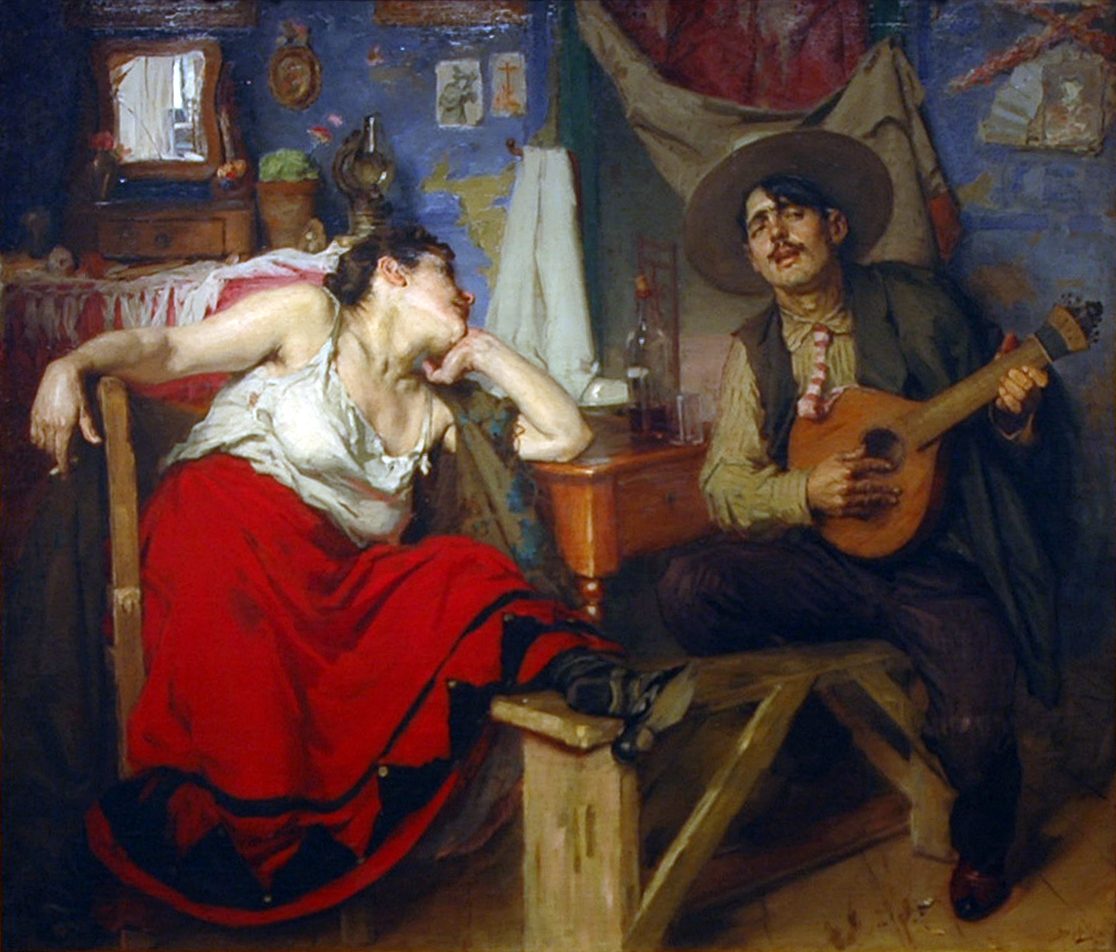
The history of fadoFrom the 19th century to UNESCO, the dates that took fado into the fado houses and from there to the world.
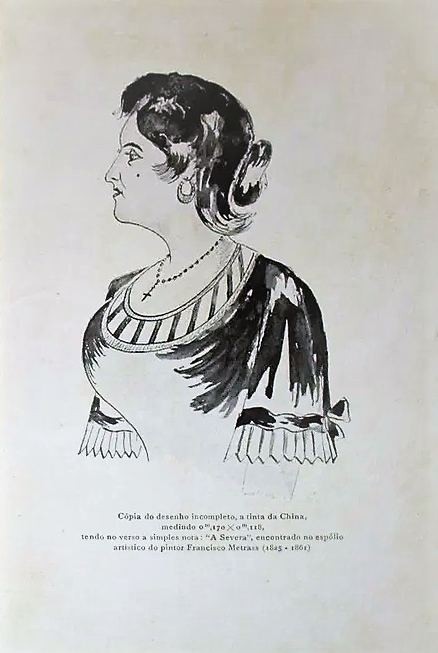
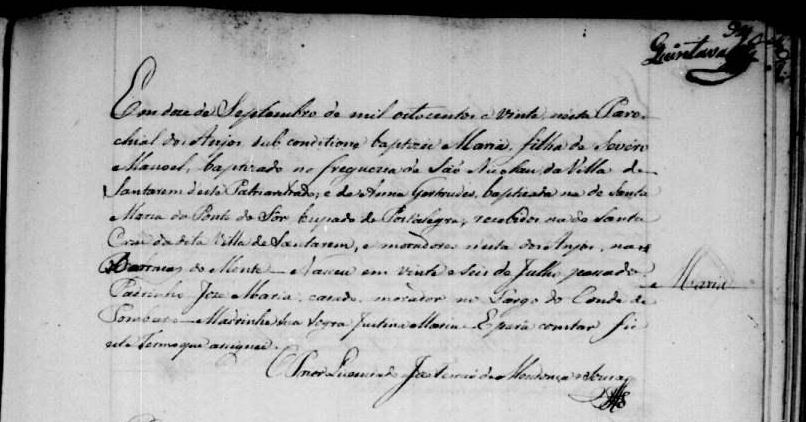
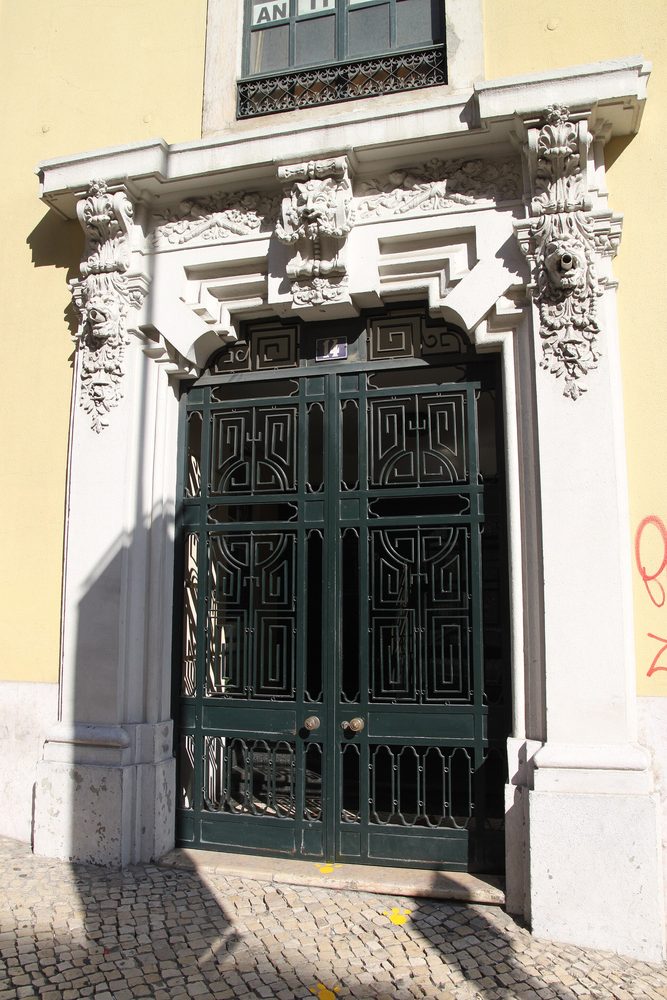
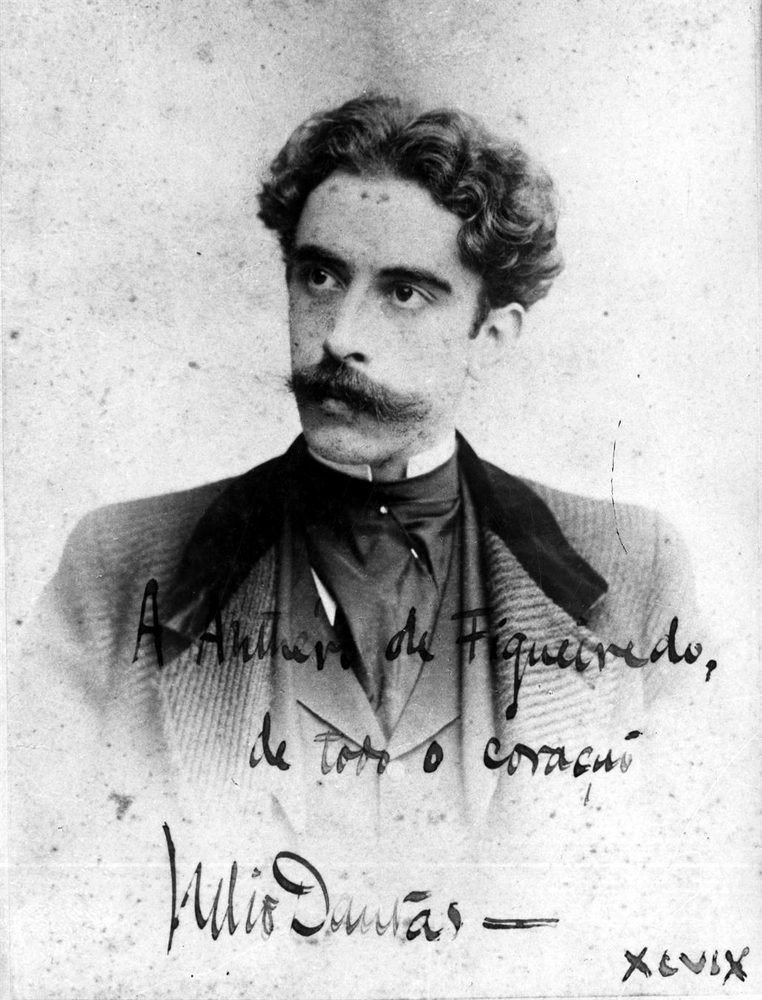
Room 1The origins19th century
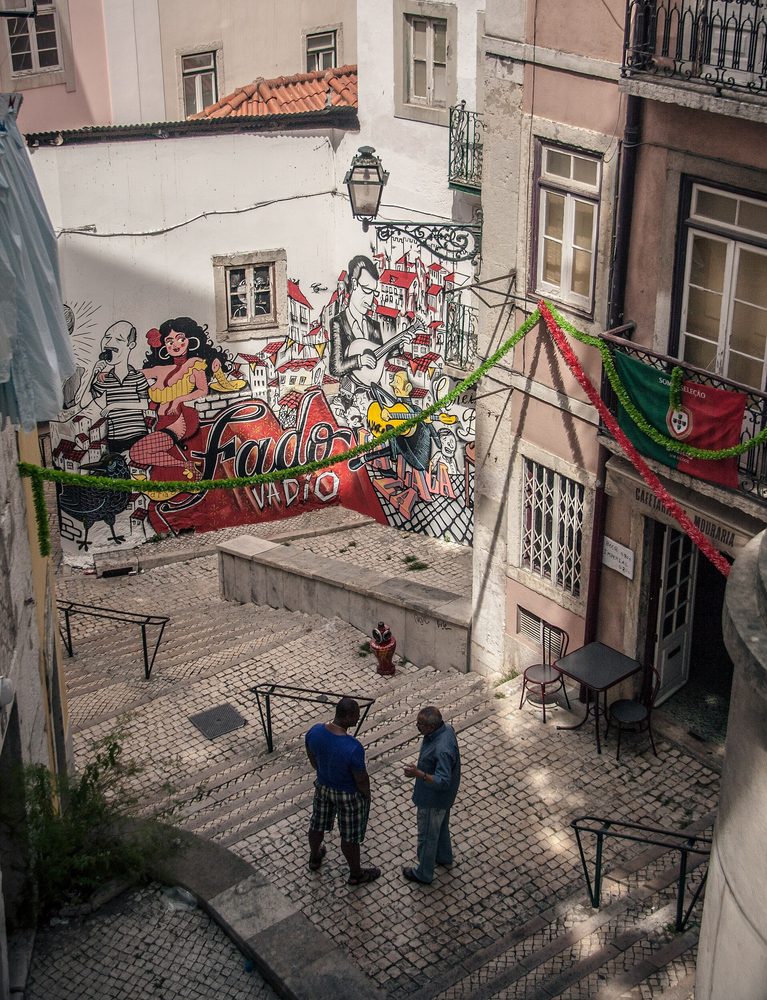
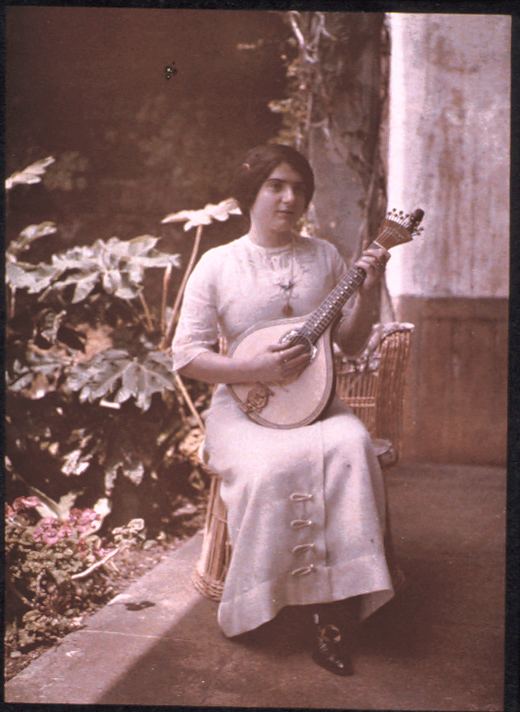
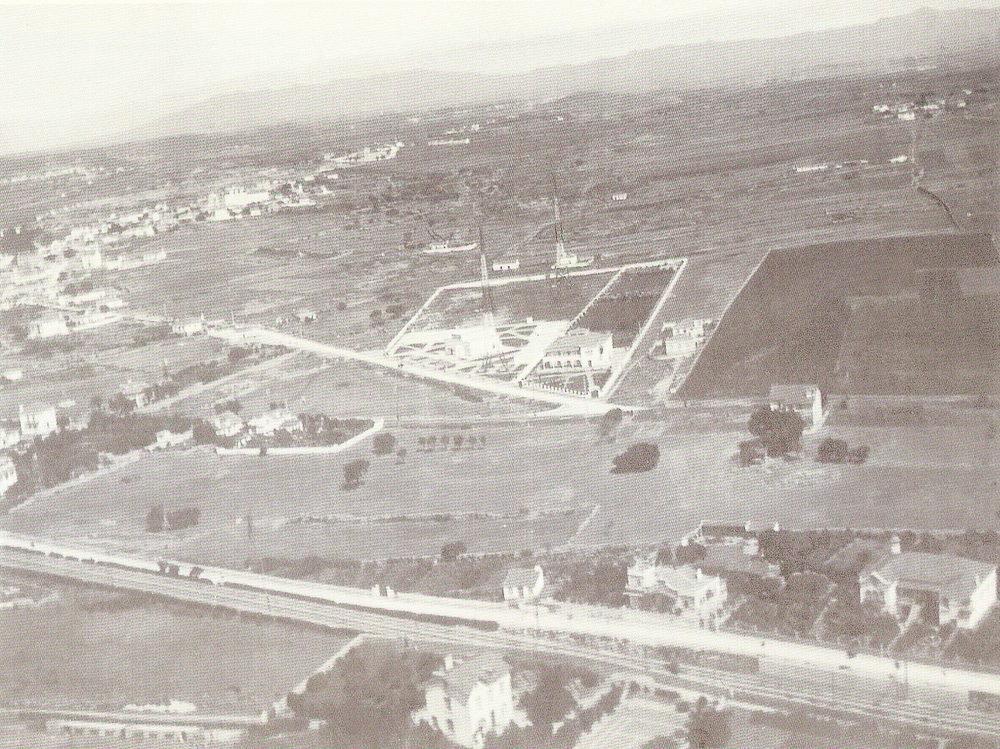
Room 2Radio, stage and law1920 to 1940
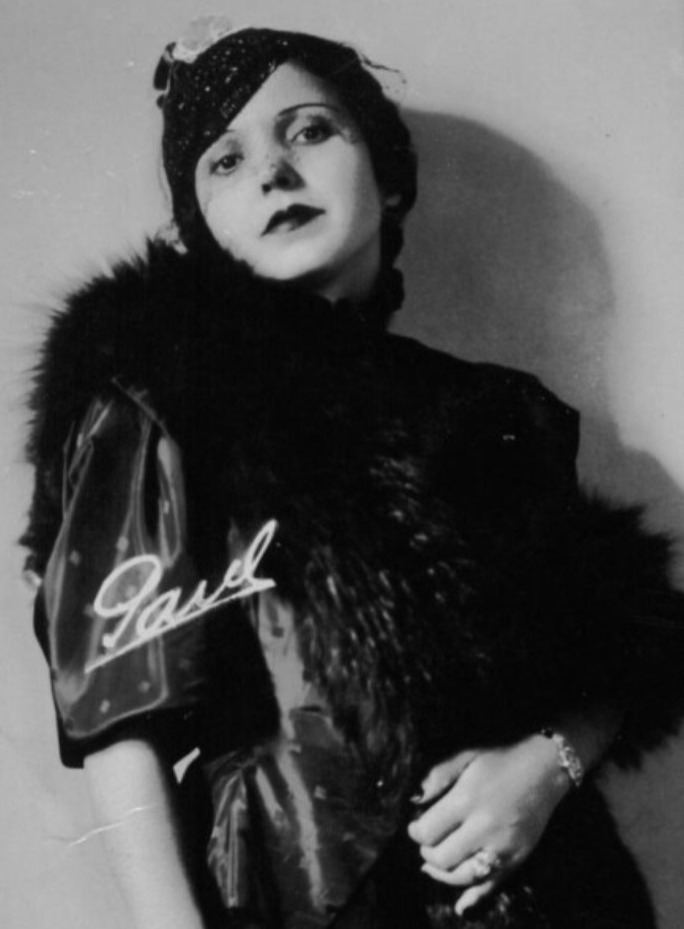
Room 3The golden years1940 to 1960
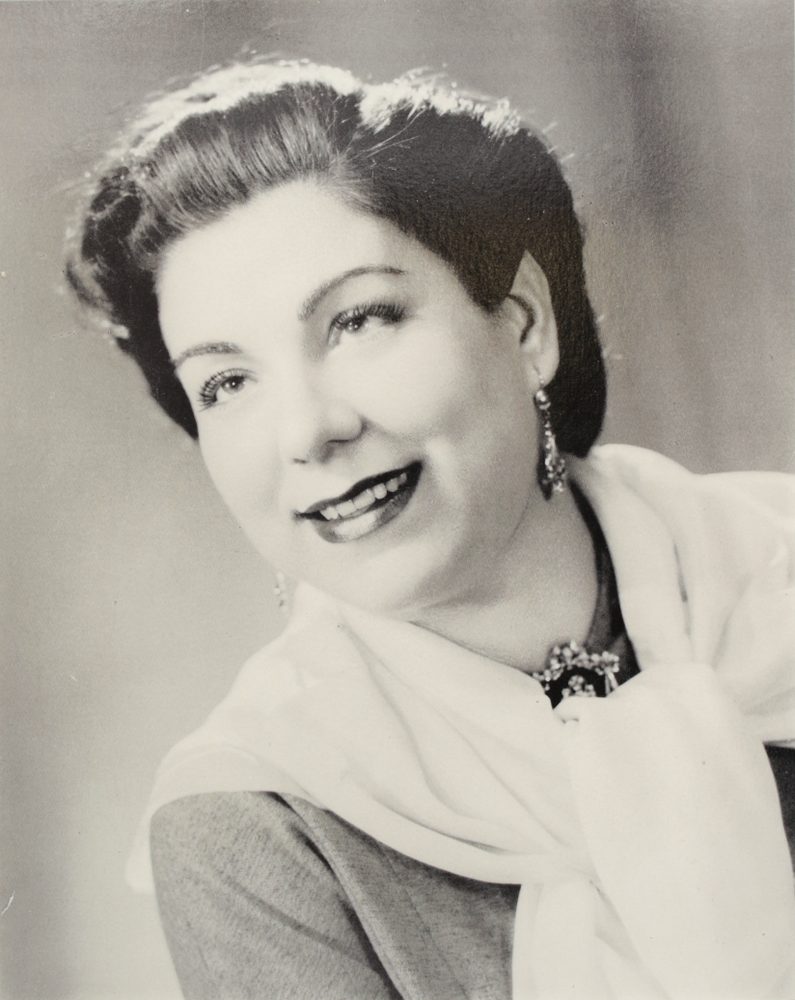
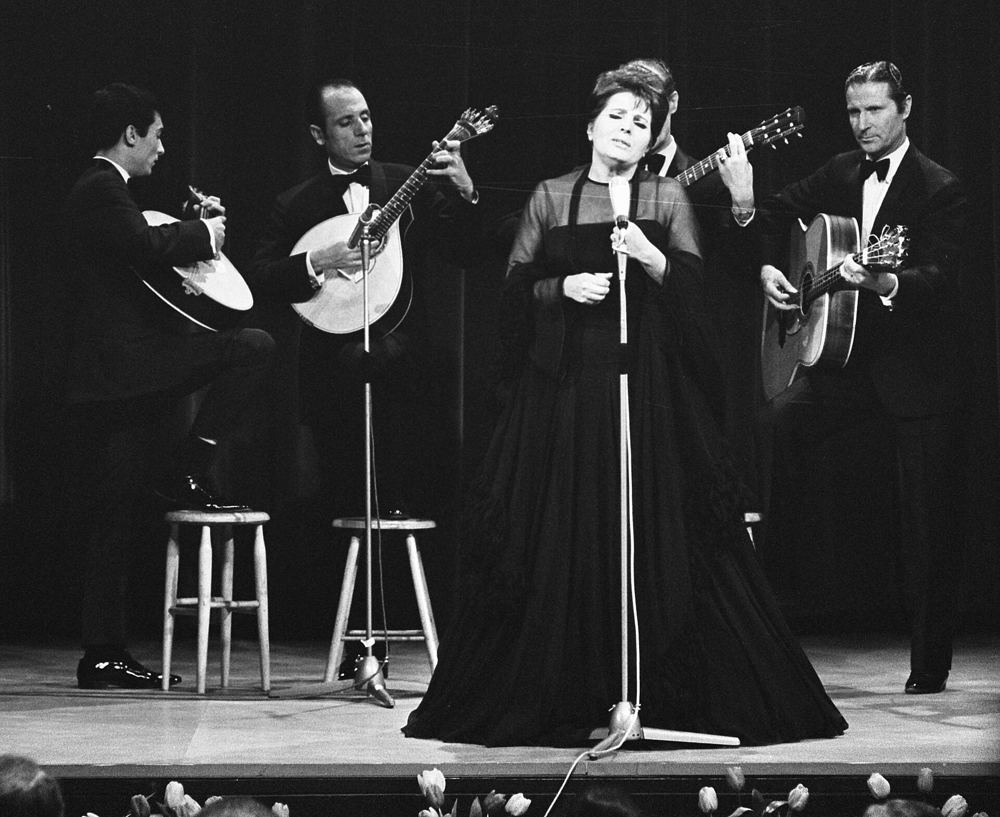
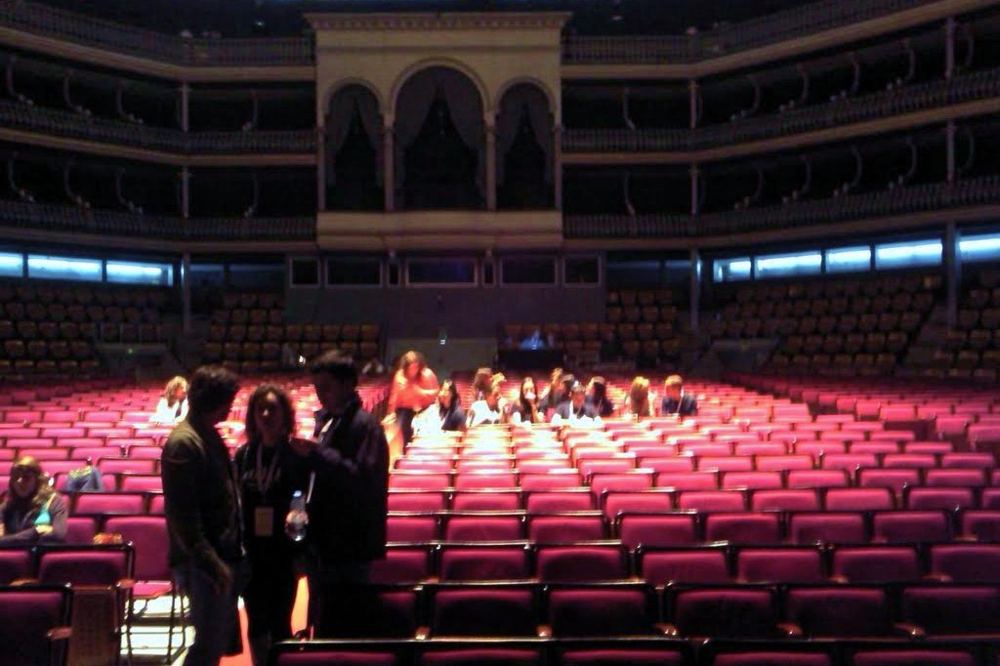
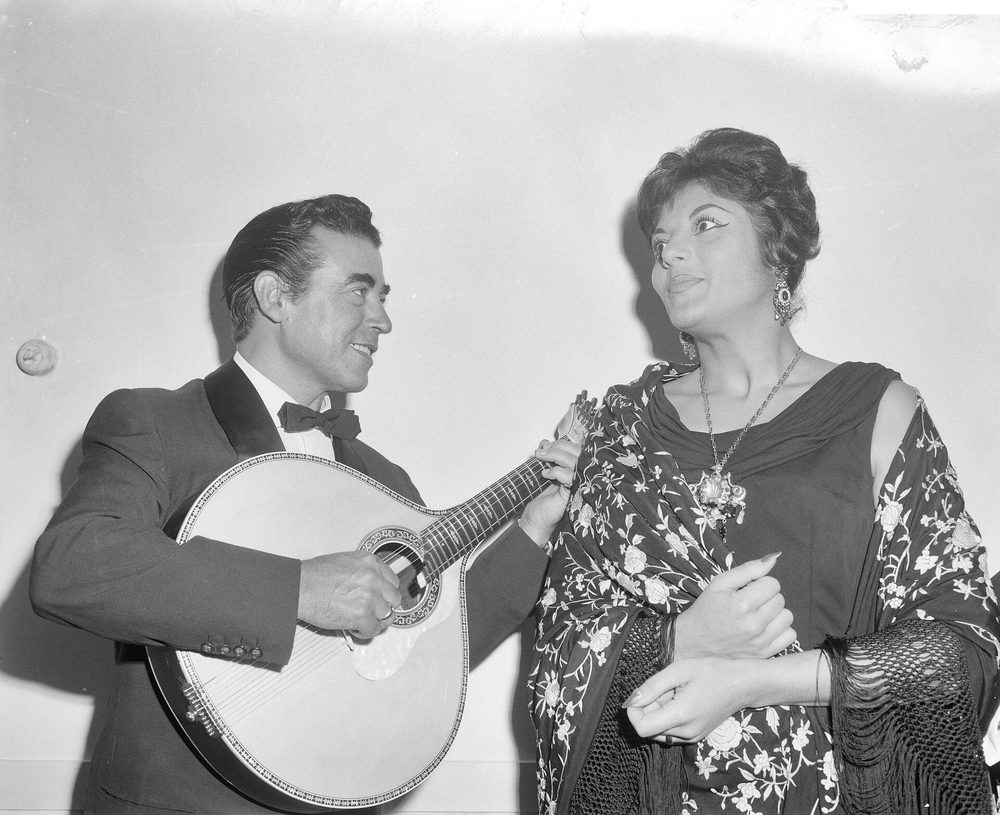
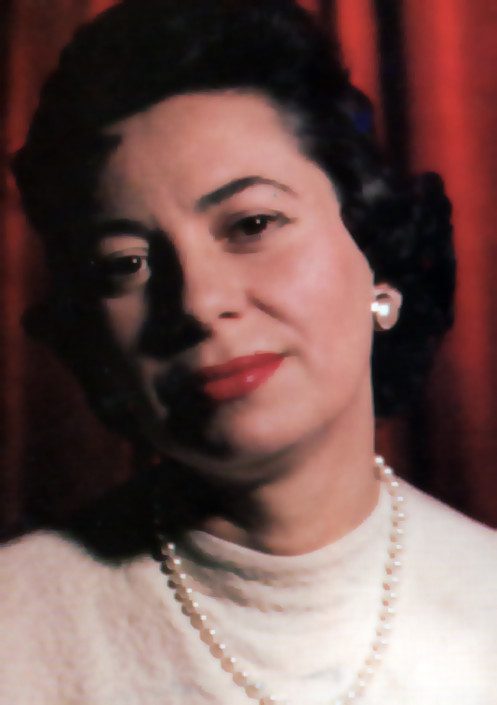
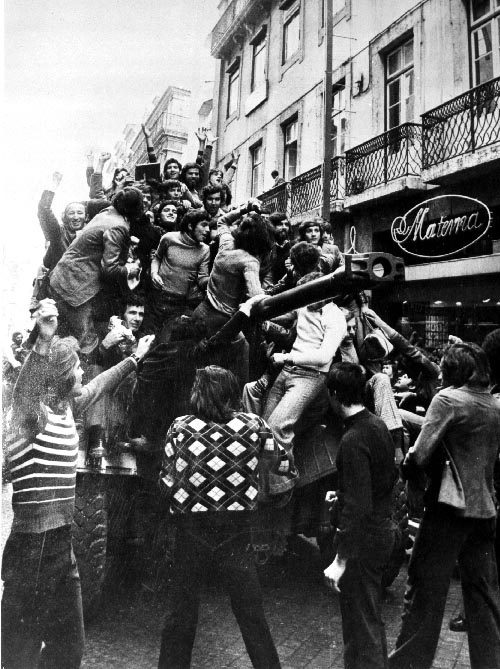
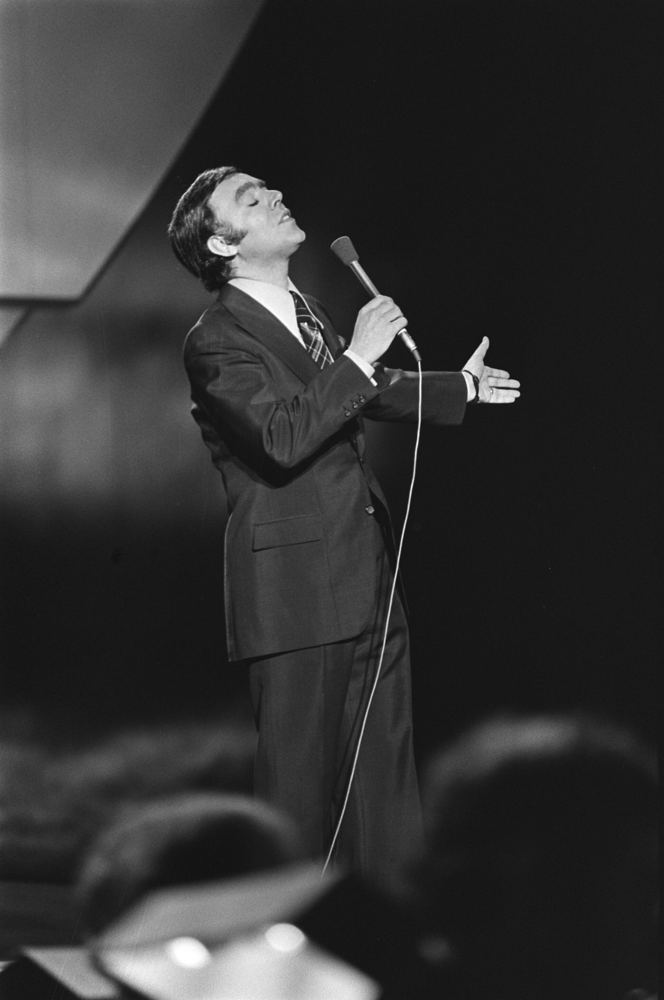
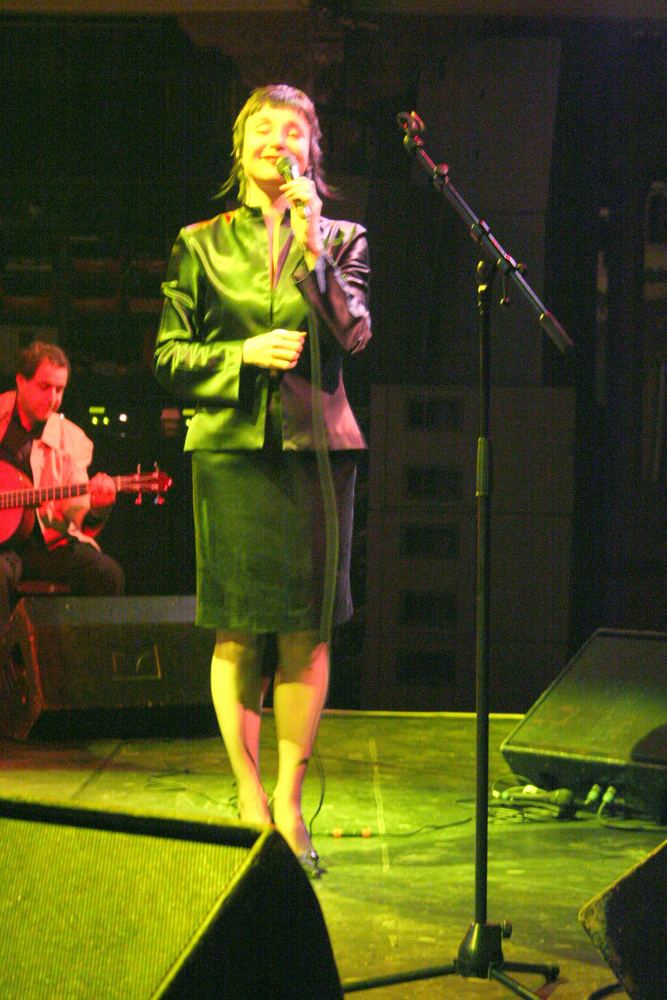
Room 4Freedom and the world1974 to today
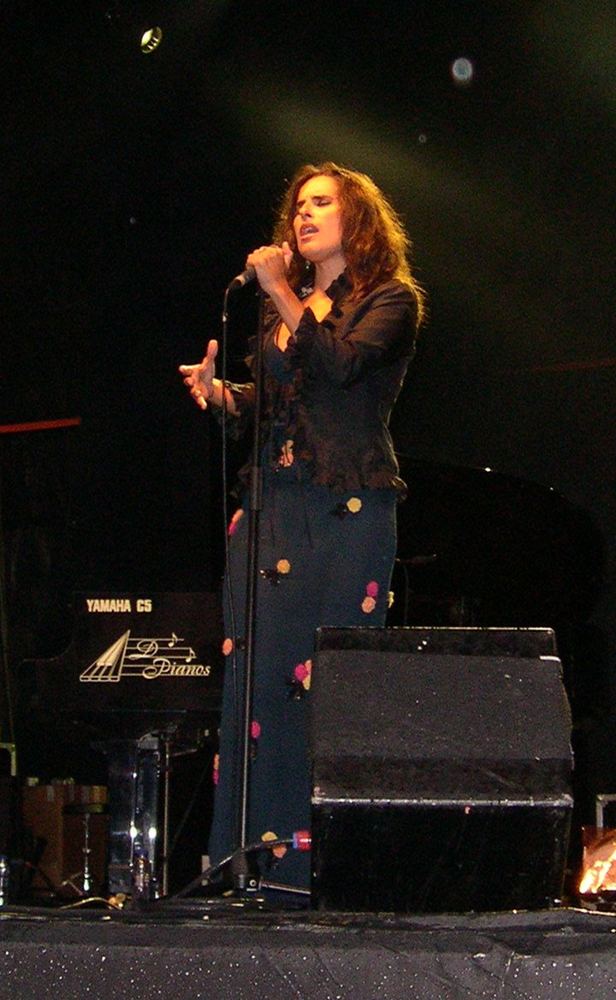
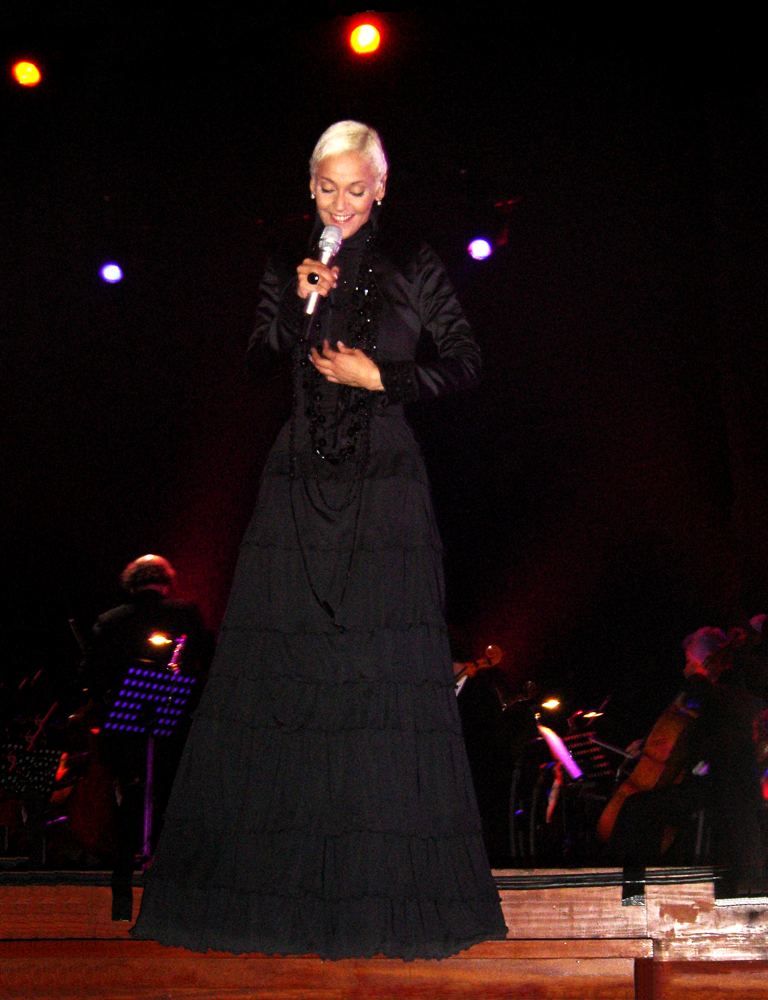
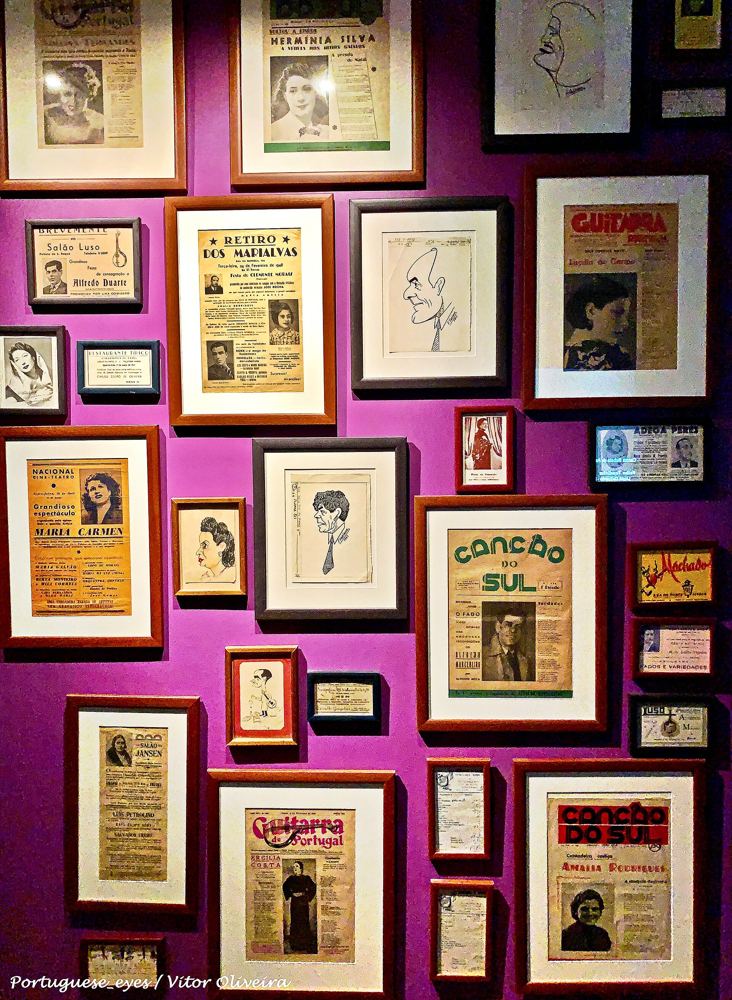
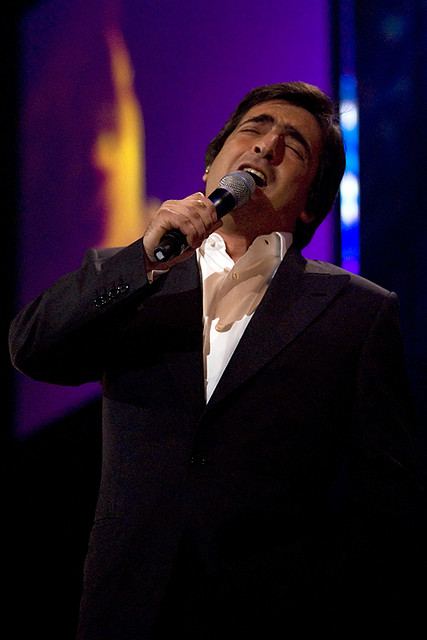

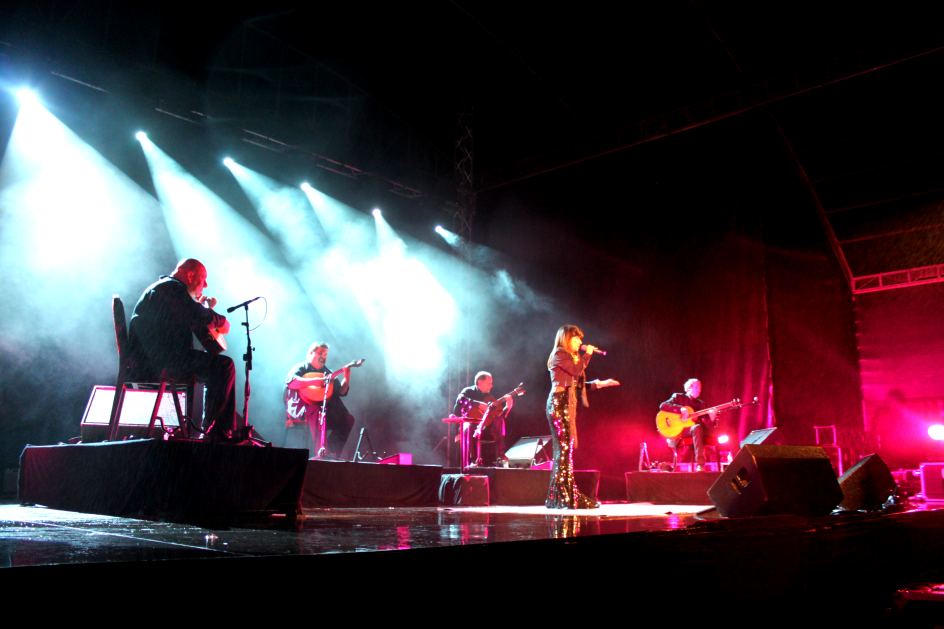
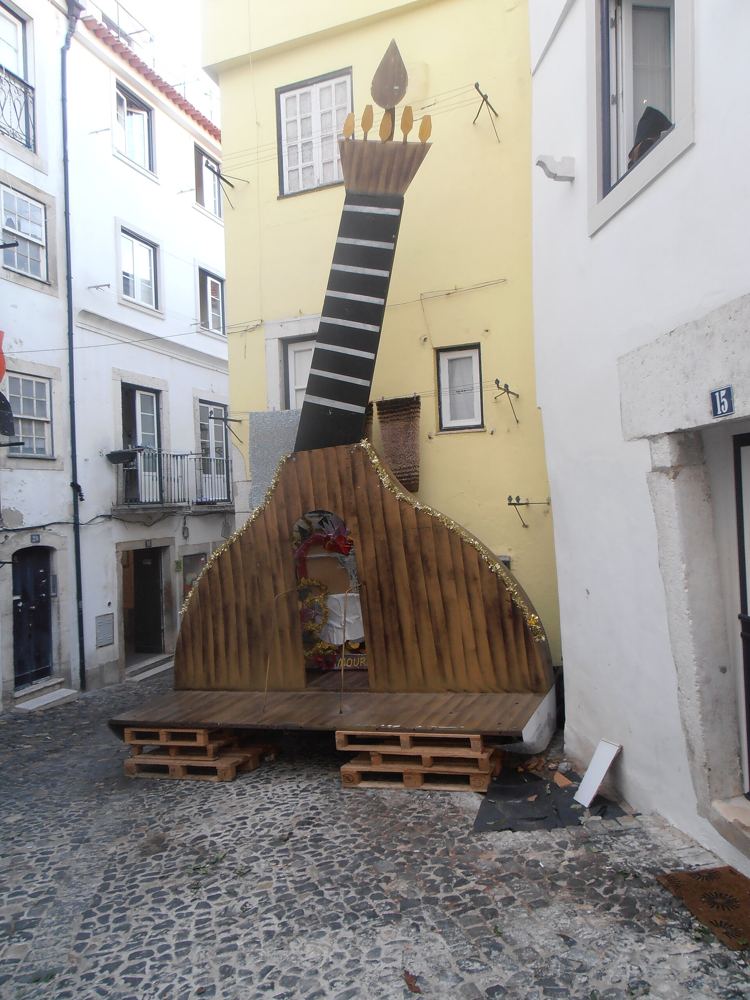
Scroll to walk down the corridor. Click any picture to open it.
- 19th century
Fado is born in the working-class neighbourhoods of Lisbon.
- 1820 to 1846
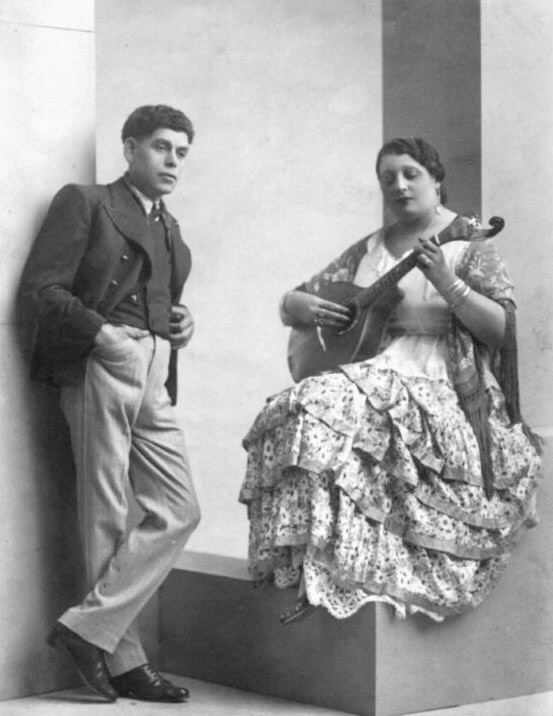
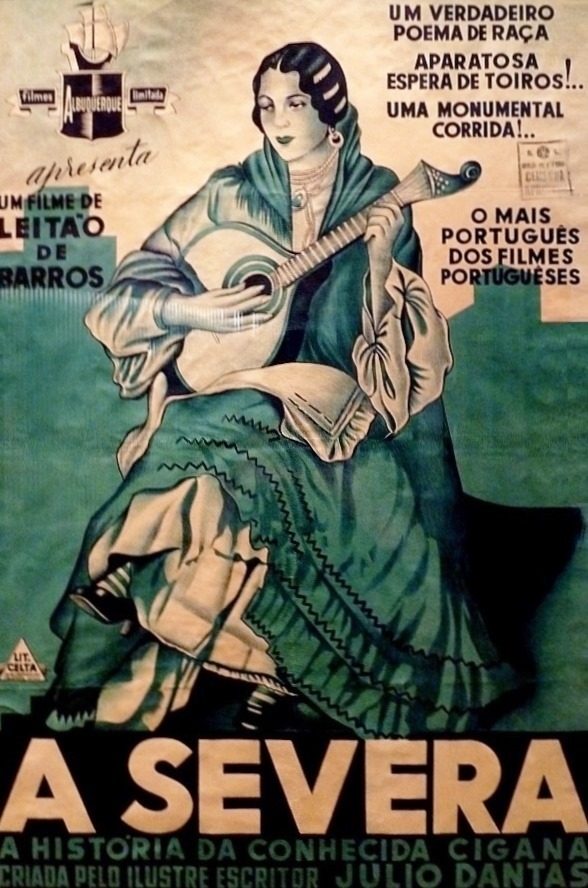
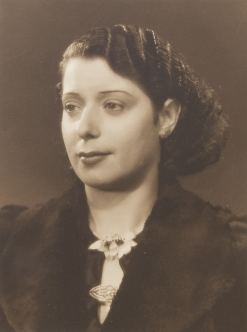
Lifetime of Maria Severa Onofriana, a singer remembered for her talent. Her story moved into literature, theatre and film.
- 1870
Fado reaches the stage of the Teatro de Revista.
- 1925
The first Portuguese radio station, CT1AA, goes on air and fado joins its programming.
- 1927
A decree requires licences, prior viewing of shows and professional cards. Fado singers become professionals.
- 1931
A Severa, by Leitão de Barros, premieres as the first Portuguese sound film.
- 1930s
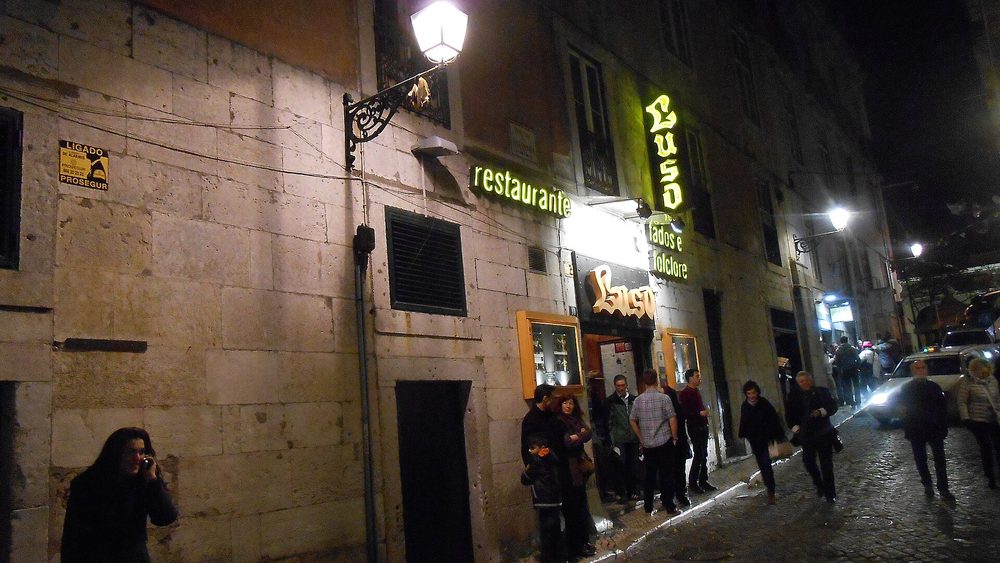
Fado settles in the fado houses of Lisbon’s historic neighbourhoods, above all in Bairro Alto.
- 1940s to 1960s
The golden years of fado. The Grande Noite do Fado contest starts in 1953.
- 1950s
Amália Rodrigues takes fado to the world. She remains its great voice until her death in 1999.
- 1998
The Museu do Fado opens in Alfama.
- Turn of the century
A new generation of fado singers renews fado and takes it to stages around the world.
- 27 November 2011
UNESCO inscribes fado as Intangible Cultural Heritage of Humanity. The inscription mentions the small fado houses and the older singers who teach in traditional venues, often over successive generations.
Today
See the mapFado carries on, night after night, in the fado houses of this guide.
Sources: Museu do Fado (museudofado.pt) and UNESCO (ich.unesco.org).
Is your fado house missing?
Write to us with the name, the town and the website or Instagram of the house. We will check and add it.
Updated on 27/11/2026